Navigating the realm of financial advisors can be daunting, but fear not. This guide on How to Find a Trustworthy Financial Advisor Near You will equip you with the necessary tools and insights to make an informed decision. From researching different advisors to conducting background checks, we've got you covered every step of the way.
As we delve deeper into this topic, you'll discover valuable information that will empower you to choose a financial advisor you can trust with your financial future.
Researching Financial Advisors
When it comes to managing your finances, finding a trustworthy financial advisor is crucial. Conducting thorough research before choosing an advisor can help you make an informed decision and ensure that your financial goals are in good hands.
Key Factors to Consider
- Qualifications and credentials: Look for advisors with relevant certifications such as Certified Financial Planner (CFP) or Chartered Financial Analyst (CFA).
- Experience and track record: Consider the advisor's years of experience in the industry and ask for references or testimonials from past clients.
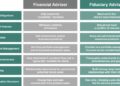
- Fiduciary duty: Choose an advisor who is bound by fiduciary duty to act in your best interest at all times.
- Fee structure: Understand how the advisor is compensated - whether through fees, commissions, or a combination of both.
- Communication style: Ensure that the advisor communicates clearly and regularly with you, keeping you informed about your financial plan and investments.
Online vs. Offline Research
When researching financial advisors, you can explore both online and offline methods to gather information and make comparisons.
- Online research:Websites like the Financial Industry Regulatory Authority (FINRA) and Securities and Exchange Commission (SEC) offer tools to research advisors' backgrounds, qualifications, and any disciplinary actions. You can also read reviews and testimonials from other clients.
- Offline research:Attend financial planning seminars, workshops, or conferences to meet advisors in person and get a sense of their expertise and approach. You can also ask for recommendations from friends, family, or colleagues who have worked with financial advisors.
Qualifications and Credentials
When searching for a trustworthy financial advisor, it is crucial to consider their qualifications and credentials. These designations can indicate the advisor's level of expertise, commitment to ongoing education, and adherence to ethical standards.
CFP (Certified Financial Planner)
- The Certified Financial Planner (CFP) designation is one of the most recognized and respected certifications in the financial planning industry.
- Individuals with a CFP designation have completed extensive training, passed a rigorous exam, and committed to upholding high ethical standards.
- CFP professionals are well-versed in various aspects of financial planning, including investments, retirement planning, estate planning, and insurance.
CFA (Chartered Financial Analyst)
- The Chartered Financial Analyst (CFA) designation is a globally recognized certification for professionals in the investment management field.
- To earn the CFA designation, candidates must pass three levels of exams, have relevant work experience, and adhere to a strict code of ethics and professional conduct.
- CFA charterholders possess in-depth knowledge of investment analysis, portfolio management, and financial markets.
Reputable Organizations for Financial Advisor Certifications
- Financial Planning Association (FPA): The FPA offers the Certified Financial Planner (CFP) designation, emphasizing comprehensive financial planning.
- CFA Institute: The CFA Institute grants the Chartered Financial Analyst (CFA) designation, focusing on investment management and analysis.
- NAPFA (National Association of Personal Financial Advisors): NAPFA members are fee-only advisors who adhere to strict fiduciary standards.
Asking for Recommendations
When looking for a trustworthy financial advisor, one of the most effective methods is to ask for recommendations from friends, family, or colleagues who have had positive experiences. Their firsthand accounts can provide valuable insight into the advisor's professionalism, trustworthiness, and overall performance.
Approaching Recommendations Effectively
- Start by reaching out to individuals in your network who have utilized financial advisors in the past.
- Ask specific questions about their experience, such as the services provided, communication style, and overall satisfaction.
- Consider seeking recommendations from individuals who have similar financial goals or situations to yours.
- Take note of any red flags or warning signs mentioned by the person providing the recommendation.
Importance of Considering the Source
It's crucial to evaluate the credibility of the source providing the recommendation.
- Consider the person's financial knowledge, experience, and their relationship with the advisor.
- Be cautious of recommendations from individuals with conflicting interests or biases.
- Verify the information provided by seeking additional opinions or conducting independent research.
- Ultimately, trust your instincts and choose an advisor who aligns with your values and financial objectives.
Meeting Potential Advisors
When meeting potential financial advisors, it is crucial to ask the right questions to ensure you find a trustworthy and competent professional to handle your finances. The initial consultation with a financial advisor is a key opportunity to assess their qualifications, experience, and approach to financial planning.
During this meeting, it is important to evaluate the advisor's communication style and transparency to determine if they are the right fit for your financial goals and preferences.
Key Questions to Ask
- What is your experience in financial planning and investment management?
- Can you explain your investment philosophy and approach to managing client portfolios?
- How do you charge for your services and what fees can I expect?
- Do you have any conflicts of interest that may impact your recommendations?
- Can you provide references from current or past clients?
Initial Consultation Process
During the initial consultation with a financial advisor, you can expect to discuss your financial goals, risk tolerance, investment timeline, and any specific concerns or priorities you may have. The advisor will likely ask you questions to understand your financial situation and objectives in order to tailor their recommendations to your needs.
Assessing Communication Style and Transparency
Assessing the advisor's communication style and transparency is crucial during the meeting. A trustworthy financial advisor should be able to explain complex financial concepts in a clear and understandable manner. They should also be transparent about their fees, potential conflicts of interest, and the risks associated with their investment recommendations.
Pay attention to how the advisor listens to your concerns and whether they take the time to address your questions and explain their recommendations thoroughly.
Conducting Background Checks
When choosing a financial advisor, it is crucial to conduct a thorough background check to ensure they have the necessary qualifications and a clean record. This step is essential to protect your financial interests and make an informed decision when selecting an advisor.
Importance of Background Checks
- Verify Qualifications: Checking the background of a financial advisor helps you confirm their credentials, certifications, and licenses. This ensures they have the expertise to handle your financial matters.
- Avoid Fraud or Misconduct: By conducting a background check, you can uncover any history of disciplinary actions, complaints, or legal issues. This helps you steer clear of advisors with a questionable track record.
- Build Trust: Knowing the background of your financial advisor can give you peace of mind and confidence in their abilities. It builds trust and enhances the advisor-client relationship.
Steps to Perform a Background Check
- Request Disclosure: Ask the advisor to provide information about their qualifications, licenses, certifications, and any past disciplinary actions.
- Check Regulatory Websites: Visit regulatory websites such as FINRA's BrokerCheck or the SEC's Investment Adviser Public Disclosure to look up the advisor's history.
- Review Form ADV: Examine the advisor's Form ADV, which provides details about their business practices, fees, conflicts of interest, and disciplinary history.
- Seek Referrals: Reach out to past or current clients of the advisor to inquire about their experiences and satisfaction with the services provided.
Resources for Checking Disciplinary History
- FINRA's BrokerCheck: This tool allows you to research the background and experience of financial brokers, brokerage firms, and advisors.
- SEC's Investment Adviser Public Disclosure: Provides information about registered investment advisor firms, including regulatory actions and disclosures.
- State Securities Regulators: Contact your state's securities regulator to check for any complaints or disciplinary actions against the advisor.
Last Word
In conclusion, finding a trustworthy financial advisor is essential for securing your financial well-being. By following the steps Artikeld in this guide, you can confidently select an advisor who meets your needs and aligns with your financial goals. Make informed decisions and take control of your financial future today.
Questions Often Asked
What key factors should I consider when researching financial advisors?
When researching financial advisors, it's crucial to consider their experience, reputation, fees, and areas of expertise.
Why is it important to ask for recommendations when seeking a financial advisor?
Seeking recommendations from trusted sources can provide valuable insights into the credibility and trustworthiness of a financial advisor.
What are some essential qualifications to look for in a trustworthy financial advisor?
Look for qualifications such as CFP (Certified Financial Planner) or CFA (Chartered Financial Analyst) to ensure your advisor has the necessary expertise.